A structured journey from requirement to reliable solution
In engineering, every project begins with a question.
Not a solution. Not a design.
“Can we build this?”
What follows is not trial and error, but a carefully guided process—structured, collaborative, and focused on delivering solutions that work in the real world.
How the process works
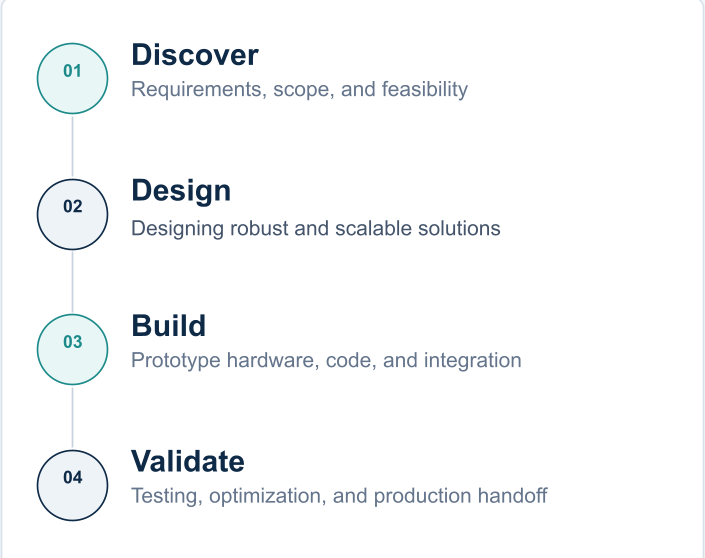
Every project moves through four clearly defined and interconnected phases. Each phase builds on the previous one, ensuring clarity, control, and consistency throughout the journey.
- Discover – Understanding Before Building
Every successful outcome begins with understanding—not assumptions. When an idea comes in, the first step is to listen and interpret the need behind the request. The team works together to establish clarity:- Where and how will the product be used?
- What problem is it solving, and for whom?
- What constraints—technical, regulatory, or commercial—must be considered?
This phase ensures that everyone is aligned on expectations and outcomes. Ambiguities are addressed early, and the idea evolves into a well-defined direction.
- Design – Structuring the Solution
With clarity in place, the focus shifts to shaping the solution. This is where engineering thinking takes centre stage. Architecture is defined, system interactions are mapped, and design decisions are evaluated with care. Key considerations include:- System integration and interface behaviour
- Reliability and potential failure scenarios
- Performance, cost, and scalability trade-offs
Hardware, firmware, and supporting functions work closely, ensuring that design decisions are practical, efficient, and aligned across teams.
Design is not just about creating—it is about making the right decisions early.
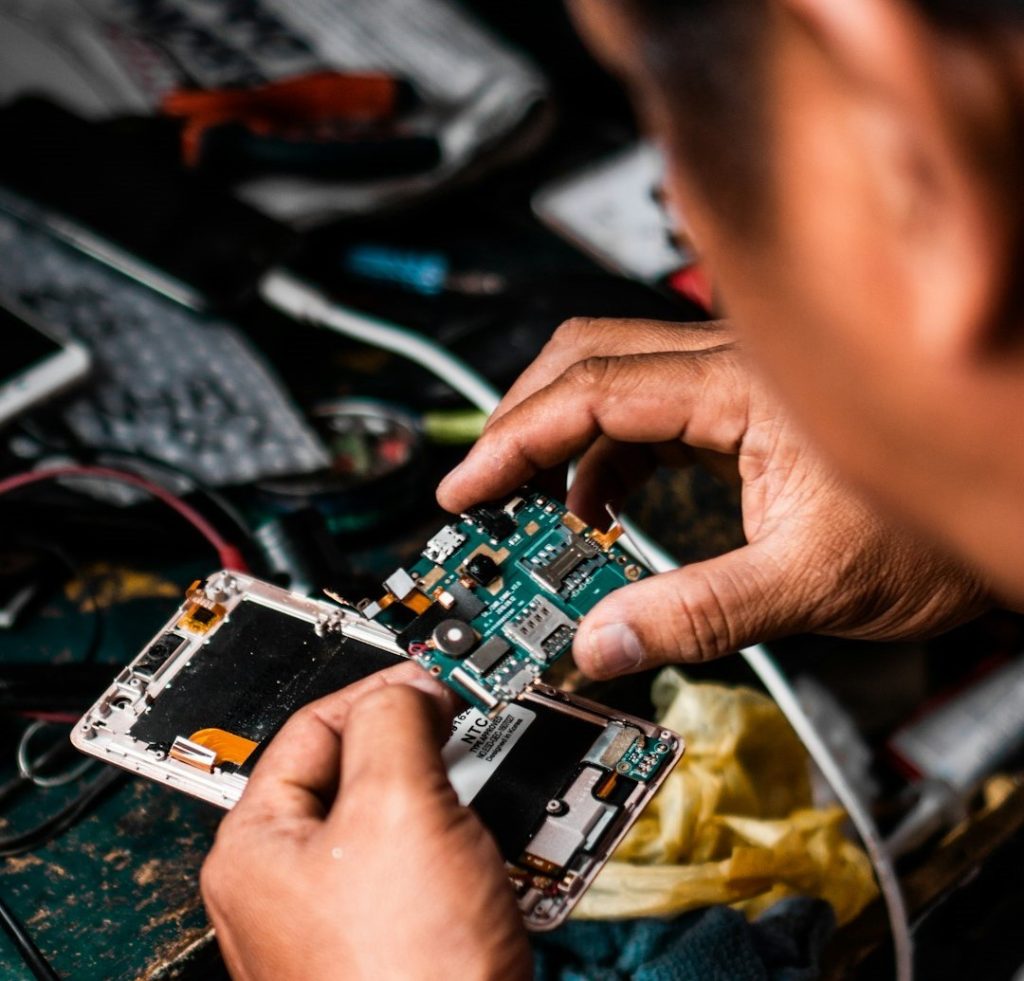
- Build – Bringing Ideas into Reality
Once the design is finalized, the concept starts taking physical form. Components are sourced, boards are assembled, and prototypes are developed. At this stage, learning becomes more tangible. It is expected that the first version will uncover gaps:- Component behaviour in real-world conditions
- Signal or integration challenges
- Firmware adjustments on actual hardware
Each observation is documented, analyzed, and refined through structured iterations. Progress is steady and controlled, with continuous collaboration between teams ensuring that every improvement moves the product closer to stability and intent.
 Test & Validate – Ensuring Reliability
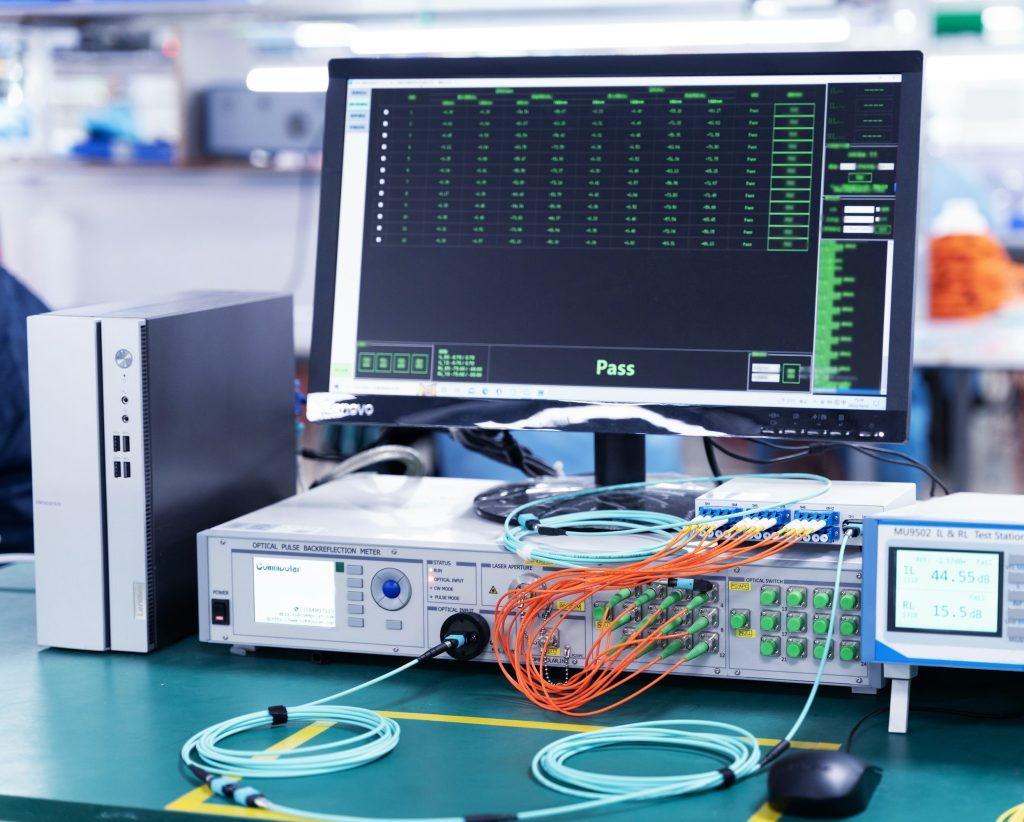
A working prototype is only the beginning. Before moving forward,
the product undergoes a rigorous validation process to ensure
it performs reliably under real-world conditions.
This includes:-
- Functional testing to confirm expected performance
- Environmental testing for durability under varying conditions
- Edge-case validation to identify system limits
Every issue identified is traced, resolved, and re-tested. Over time, this process builds confidence backed by data, ensuring that the product is not only functional but dependable.
-
Every Ending Builds the Next Beginning
A project may reach completion, but the process never truly ends. Each project contributes – New learnings, Improved processes & Stronger capabilities
So when the next question comes—
“Can we build this?”
The answer is backed not just by experience, but by a refined and reliable approach.
At Z-Crossing Solutions, this process-driven approach ensures that every idea is transformed into a solution that is practical, reliable, and ready for the real world.